
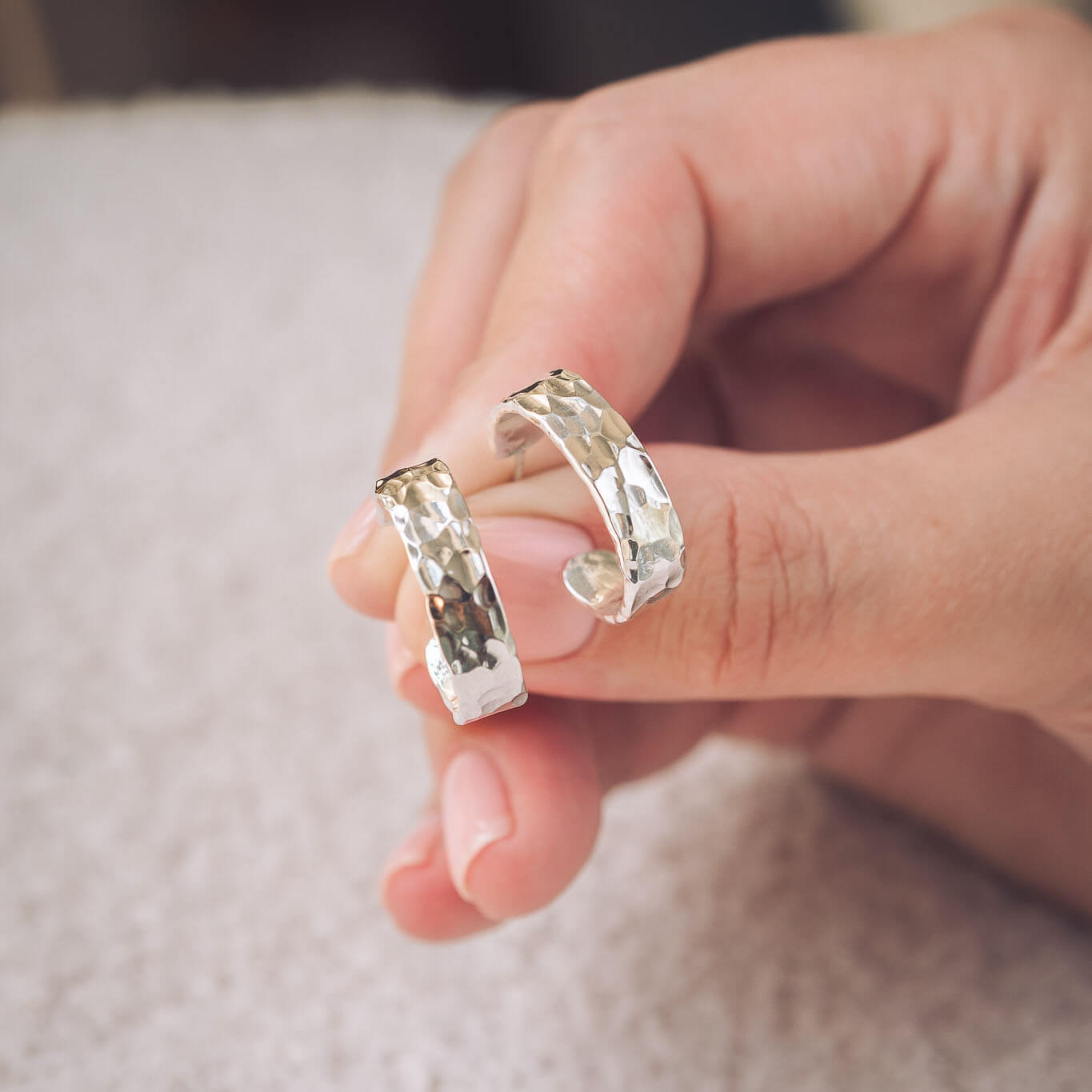
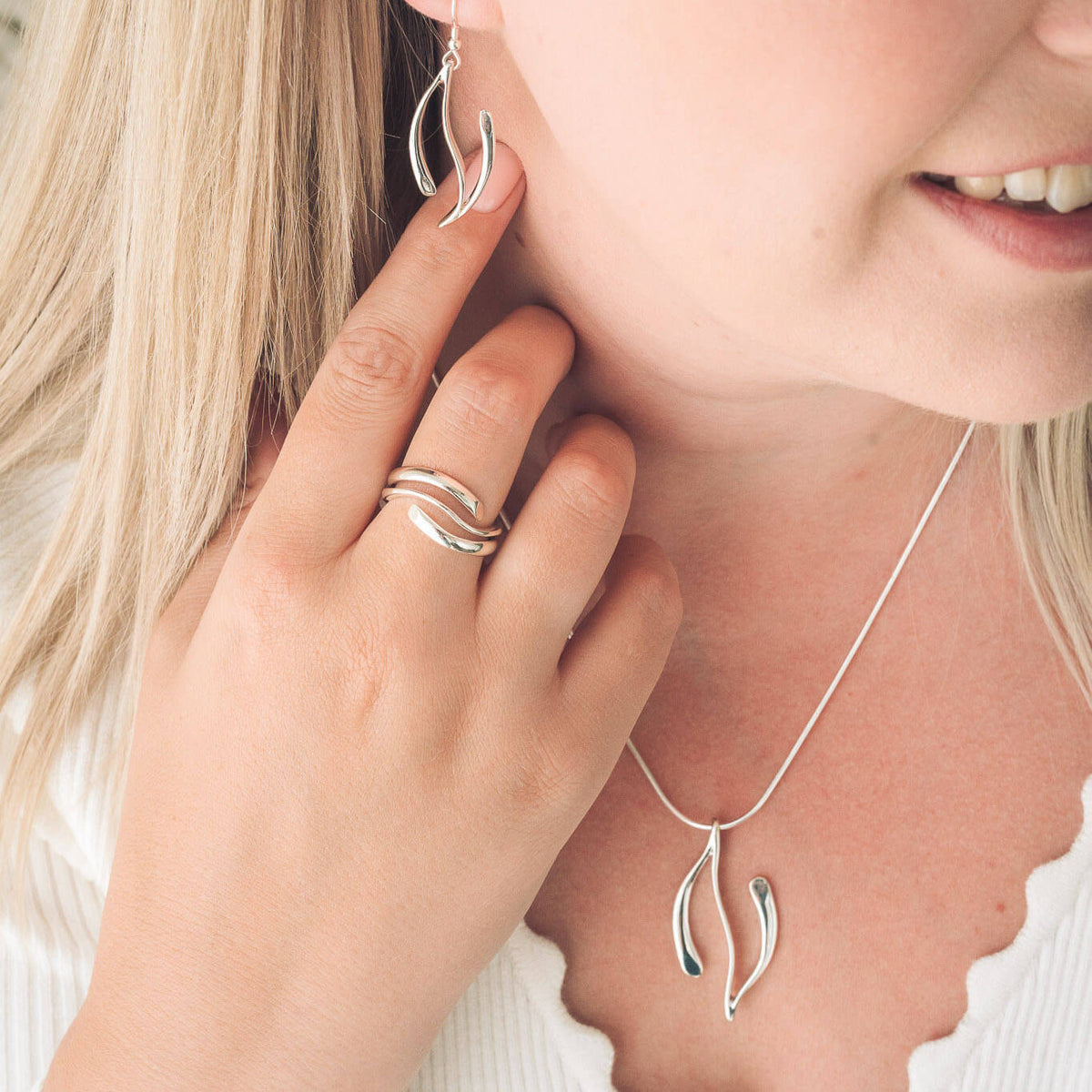
Shopping for jewellery online? Then you've likely come across sterling silver and stainless steel jewellery used in ways that make them sound almost interchangeable.
They are not, and the difference between them matters far more than most product pages let on.
Key Differences Between Stainless Steel Jewellery & Sterling Silver Jewellery
- Sterling silver is a precious metal. Stainless steel is not: both are used in jewellery, but only one carries real material value and improves with age.
- Solid silver tarnishes slightly which is normal and easily fixed: a quick polish with a silver cloth is all it takes. Stainless steel doesn't tarnish but also can't be restored the same way.
- Sterling silver can be resized and repaired for life: stainless steel's hardness makes this far more difficult, which is why most stainless pieces are replaced rather than repaired.
- The price difference reflects the material difference: if something is described as solid silver at a price that seems too low, it's worth asking why (all JGT pieces are made using solid 925 sterling silver or solid 9ct gold: no plating, no stainless steel, nothing hollow.

What Is Sterling Silver?
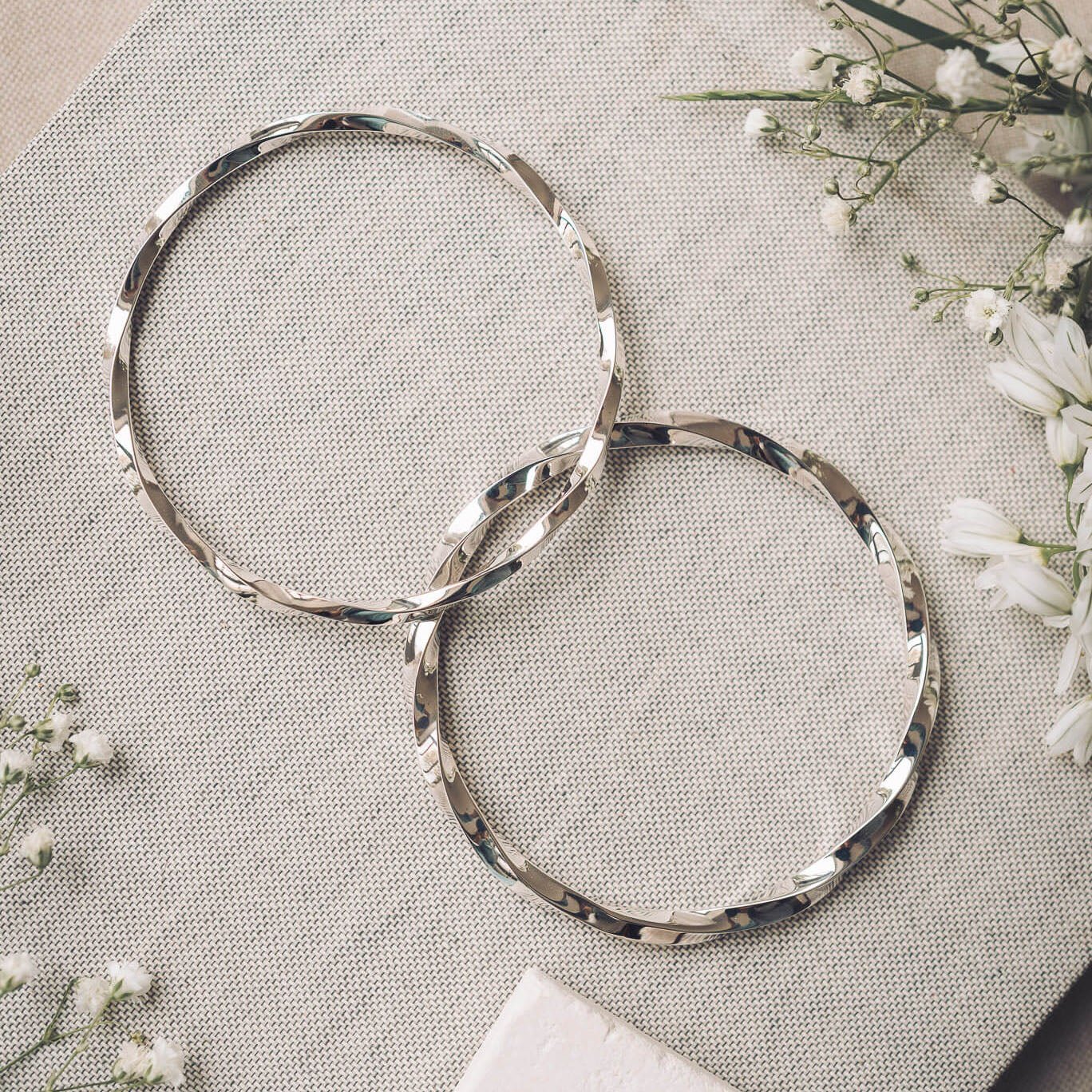
Sterling silver is a precious metal alloy made from 92.5% pure silver, combined with 7.5% other metals (usually copper) to give it the strength and durability needed for everyday jewellery. This composition is exactly what the 925 stamp you see on quality silver jewellery refers to.
Because it contains precious metal, sterling silver carries real material value. It has been used in jewellery making for centuries, develops a beautiful character over time and is the standard most fine jewellers work with.
What Is Stainless Steel?
Stainless steel is not a precious metal at all. It is an alloy of iron, chromium and other base metals, originally developed for its strength and resistance to corrosion. You will recognise it from cutlery, kitchen appliances and industrial fittings as much as from jewellery.
Its popularity in jewellery comes down to a few practical advantages. It is hard wearing, resistant to scratching, does not tarnish and is considerably cheaper to produce than precious metal.

The Key Differences That Actually Matter
Material Value
Sterling silver contains precious metal and carries real intrinsic worth. Stainless steel does not, regardless of how polished or well designed a piece may be. This is the single biggest distinction and the one most relevant if you are buying jewellery as an investment or a gift.
Tarnishing Versus Corrosion Resistance
Sterling silver will naturally develop a light tarnish over time through ordinary exposure to air and moisture. This is not a flaw, it is simply how silver behaves. It is easy to maintain and clean your jewellery at home - however we also offer complimentary lifetime repolishing.
Stainless steel does not tarnish in the same way, which is appealing if you want something completely low maintenance. This resistance comes from being a base metal rather than from any superior craftsmanship.
Weight and Feel
Sterling silver has a particular weight and softness to it that stainless steel simply does not replicate. Sterling silver feels substantial and warm in a way stainless steel does not.
Resizing and Repair
Sterling silver can be resized, repaired and re-polished by a skilled jeweller throughout its life which is precisely why we offer free resizing and lifetime repairs on our jewellery. Stainless steel is far more difficult to work with in this way.
Skin Sensitivity
Sterling silver is generally well tolerated by sensitive skin, particularly hallmarked solid silver free from nickel. Stainless steel can also be hypoallergenic depending on its exact grade, though this varies considerably between manufacturers and is worth checking carefully if you have known sensitivities.

Why This Distinction Matters When You're Buying
If you are buying a piece intended to last for decades or to carry real sentimental and material significance then solid sterling silver is the only sensible choice.
If you are looking for something hard wearing, low maintenance and inexpensive for occasional or fashion led wear, stainless steel has a place.
The issue only arises when stainless steel is marketed or perceived as equivalent to precious metal jewellery, without the buyer fully understanding the difference between the two.
How We Work at John Garland-Taylor
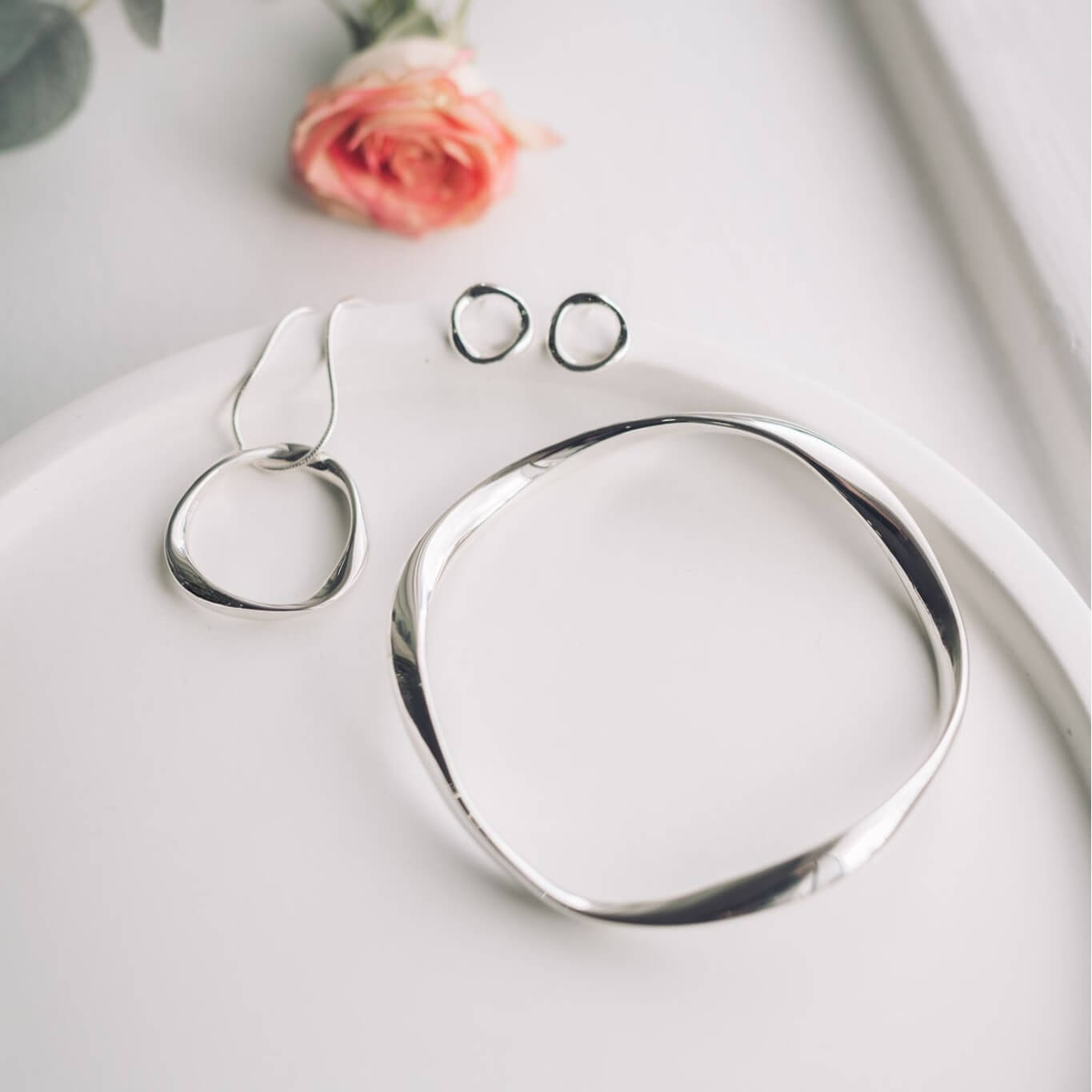
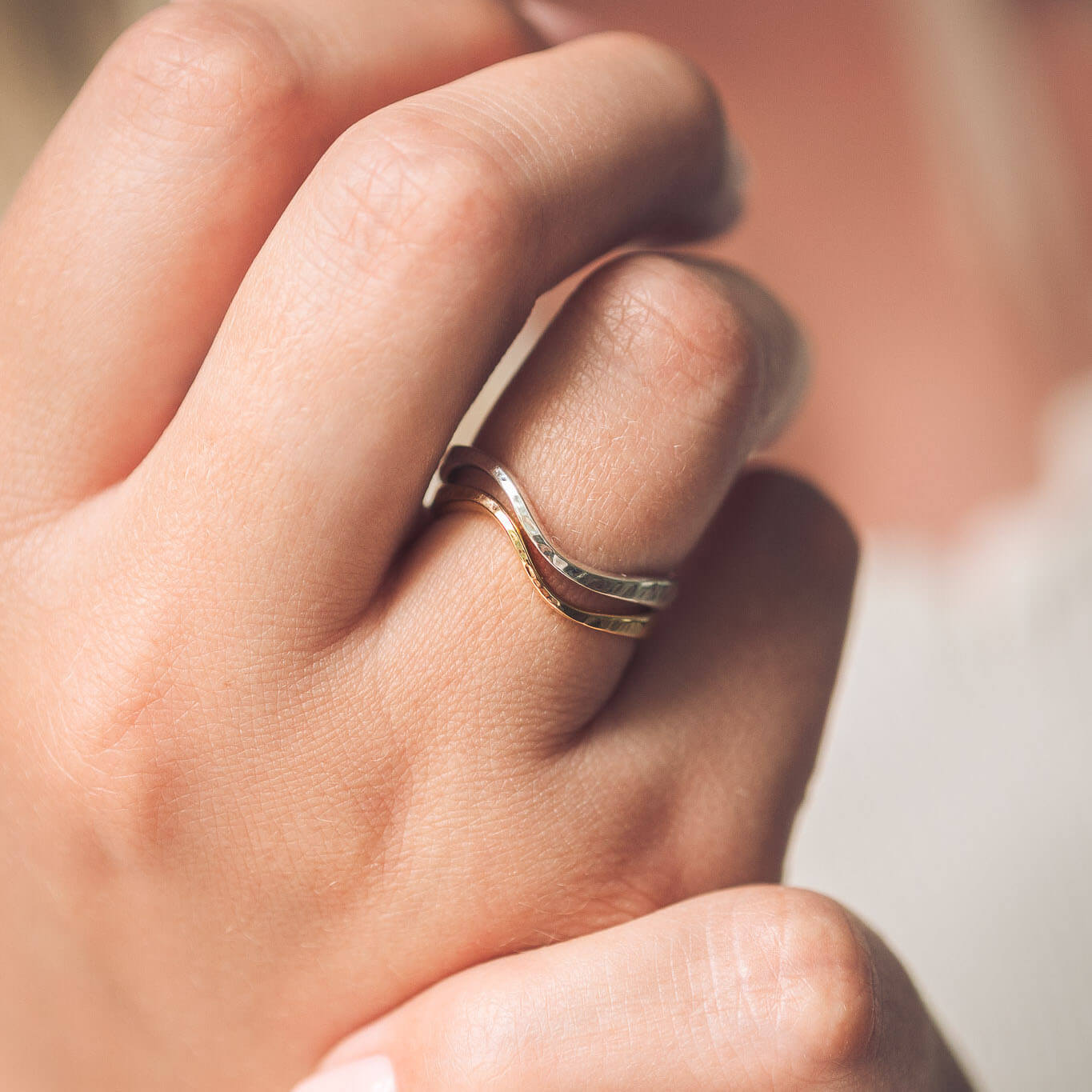
Every piece we make is crafted from solid 925 sterling silver or 9ct gold, sourced from Birmingham's historic Jewellery Quarter and handmade entirely in our Warwickshire workshop. We do not work in stainless steel because our focus has always been on fine jewellery meant to be worn, loved and handed down for generations.
This is also why we are able to offer the aftercare we do. Free resizing, complimentary re-polishing at any time and lifetime repairs are only possible because sterling silver and gold are metals that can be worked on across a lifetime of wear.
Browse our collection of solid sterling silver and 9ct gold jewellery, handmade in our Warwickshire workshop and built to be worn for life.
If you have any questions about materials before you buy, our team is always happy to talk you through it.