
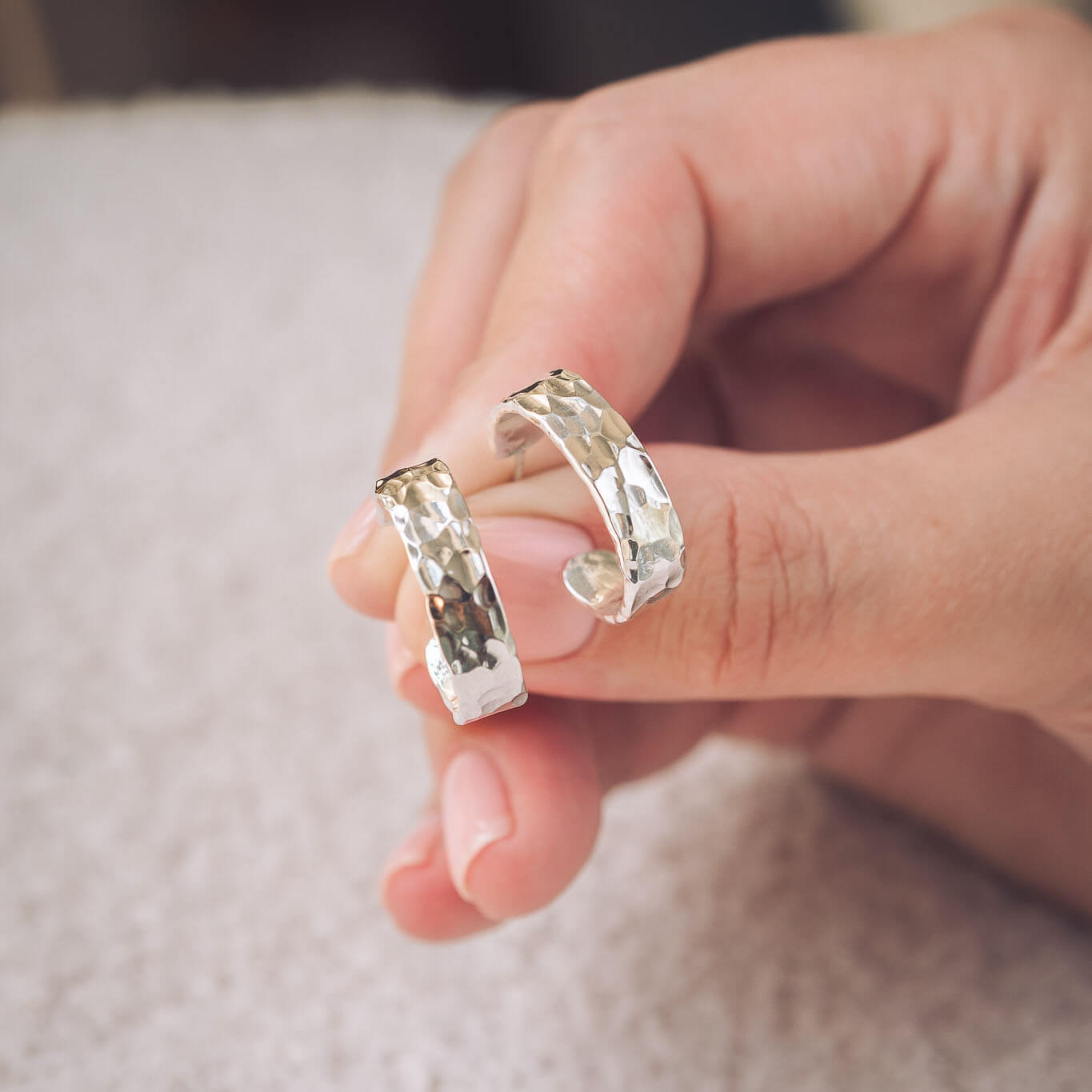

This is a fair question, and one we think deserves a proper answer rather than a vague reassurance. When you spend money on a handmade piece of jewellery, you are entitled to know exactly what kind of lifespan you should expect from it.
Key Takeaways:
- A well-made solid silver or gold piece should last a lifetime: the metal itself does not wear out. What changes over decades is the surface, which can be polished back at any time.
- Plated jewellery has a built-in expiry: once the surface layer wears through, typically within one to two years of daily wear, the base metal is exposed. Solid metal does not have this problem.
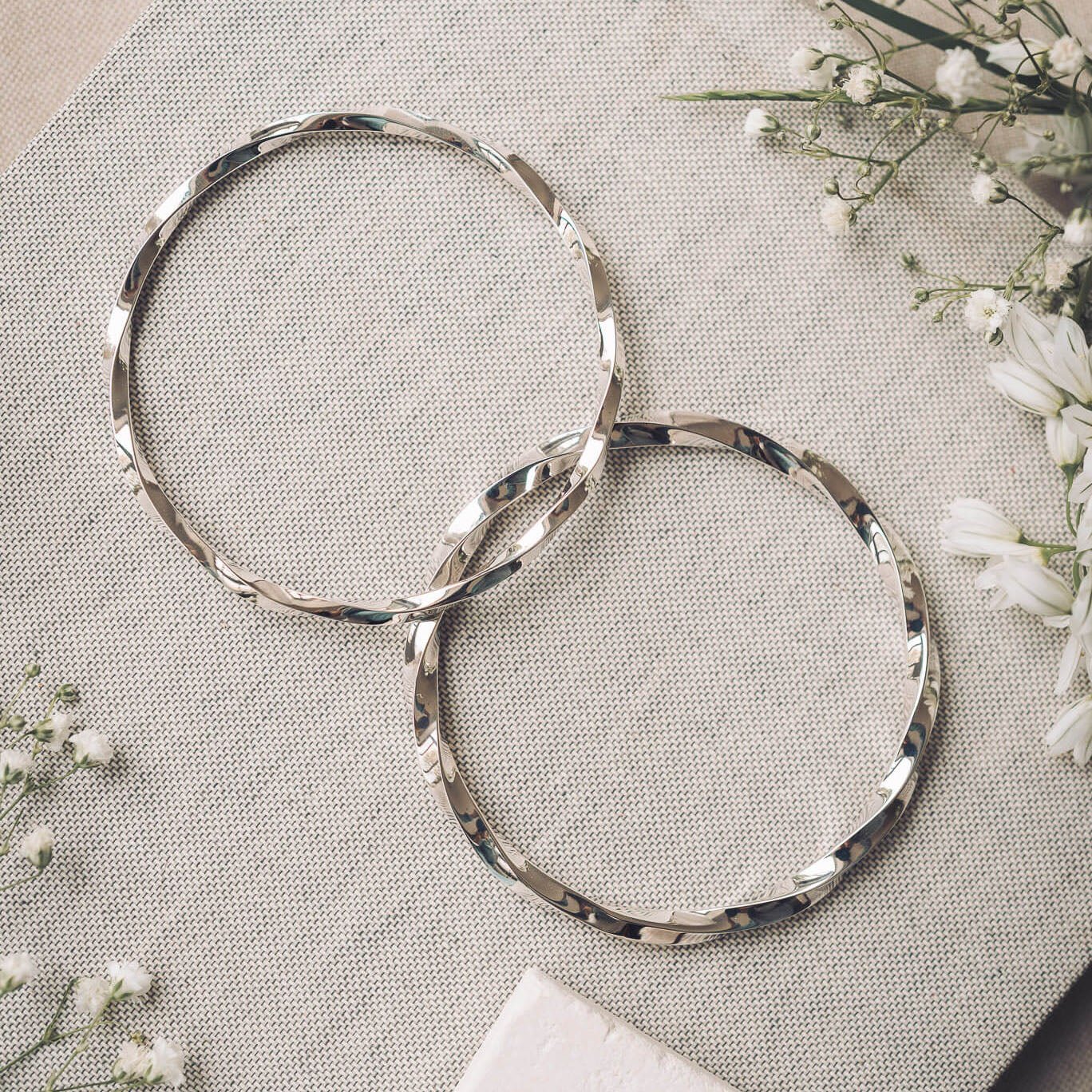
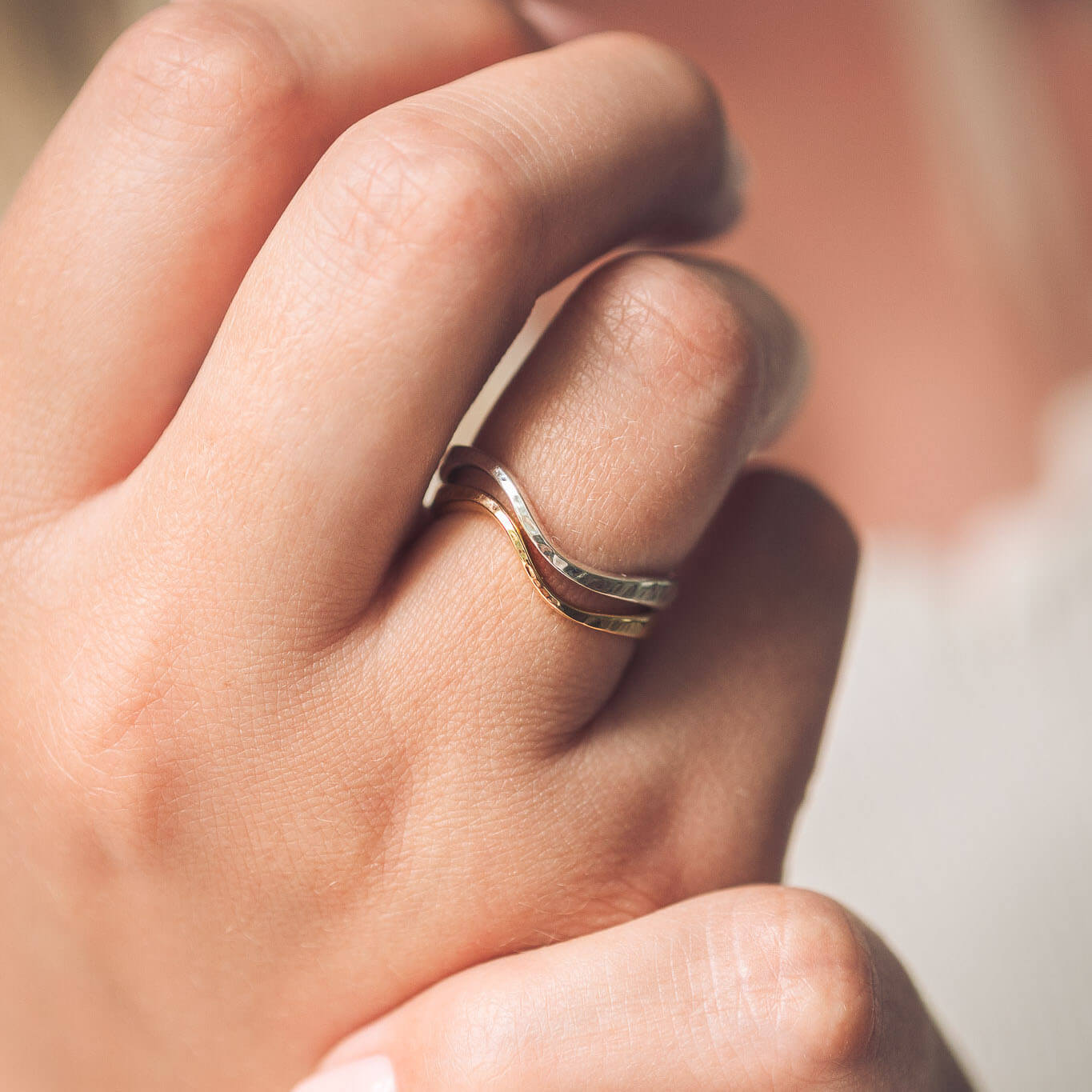
- Hand forged metal is structurally stronger than cast: forging compresses and strengthens the metal as it is worked, which is why JGT bangles and rings hold their shape so well over years of daily use.
- Storage and care extend lifespan significantly: keep pieces in a pouch or box, away from direct sunlight and other metals. A periodic polish is all a solid silver piece ever needs.
- JGT offers free resizing, complimentary repolishing and lifetime repairs: because pieces built to last should be supported for as long as they are worn. Shop our collection.
What Determines a Piece's Lifespan
The honest answer is that three things decide how long a piece of jewellery last:
- The quality of the metal
- The skill of the craftsmanship
- How the piece is cared for
Get all three right and a well-made piece should comfortably outlive the person who first bought it.
Solid precious metal is the foundation everything else depends on. A piece made from solid 925 sterling silver or 9ct gold is the same material all the way through. It can be worn, polished, gently reshaped and repaired across decades without ever revealing a different material underneath.
Craftsmanship is the second variable and it is where hand forging earns its reputation. When metal is forged on the hammer rather than cast from a mould, the process actually compresses and strengthens the structure of the metal as it is worked.

Does Sterling Silver Tarnish?
Yes, sterling silver naturally tarnishes over time, but it's surface-only and polishes away completely. A well-made solid silver or gold piece, cared for reasonably, should still be entirely wearable after ten, twenty, even fifty years. The metal itself does not wear out in any structural sense across a normal human lifetime. What changes is its surface.
Sterling silver will naturally develop a light tarnish over time, a result of ordinary exposure to air and moisture rather than any flaw in the piece. This is easily polished back to a bright shine with a silver cloth.
Gold develops its own kind of character with age too. It develops a subtle softening of polish that many people find more attractive than a brand new shine, since it signals a piece that has actually been lived in and loved.
What you should not see is structural failure, such as clasps that have weakened beyond repair or a surface that reveals a different metal underneath. If any of these happen within a few years of normal wear, that is a sign of either poor quality material or poor craftsmanship at the outset.
What Affects Longevity Beyond the Piece Itself
- How a piece is worn matters more than people often expect: Daily wear on a silver bangle or silver ring exposes it to far more contact, knocks and movement than an occasional piece.
- Storage plays a real role too: Jewellery kept loose in a drawer, knocking against other pieces, will show wear far sooner than jewellery stored properly in a box or pouch. It’s best to keep pieces away from other metal and away from direct sunlight or excess moisture.
-
Cleaning and care extends a piece's life considerably: A periodic polish with a proper silver or gold cloth keeps the surface in good condition without risking damage to the metal itself

How to Tell If a Piece Will Stand the Test of Time
- Ask whether the piece is solid metal or plated, since this single factor does more to determine longevity than almost anything else.
- Ask whether the piece is hand forged or cast from a mould, since hand forged pieces tend to hold their shape and resist metal fatigue more effectively over decades of wear.
- Look at the aftercare a jeweller offers. A maker confident in the longevity of their own work will typically offer resizing, repairs and repolishing as standard.
How John Garland Taylor Jewellery is Built to Last
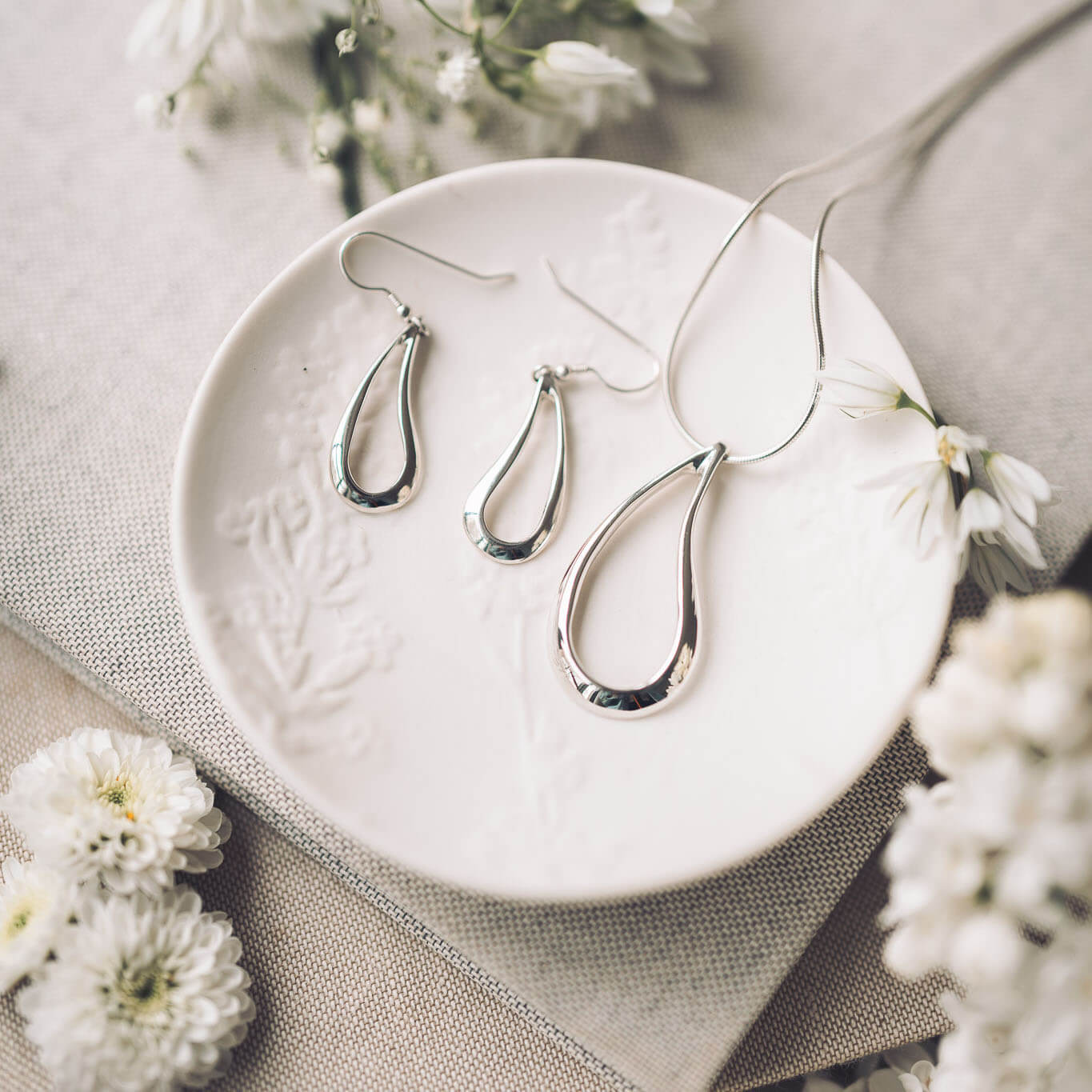
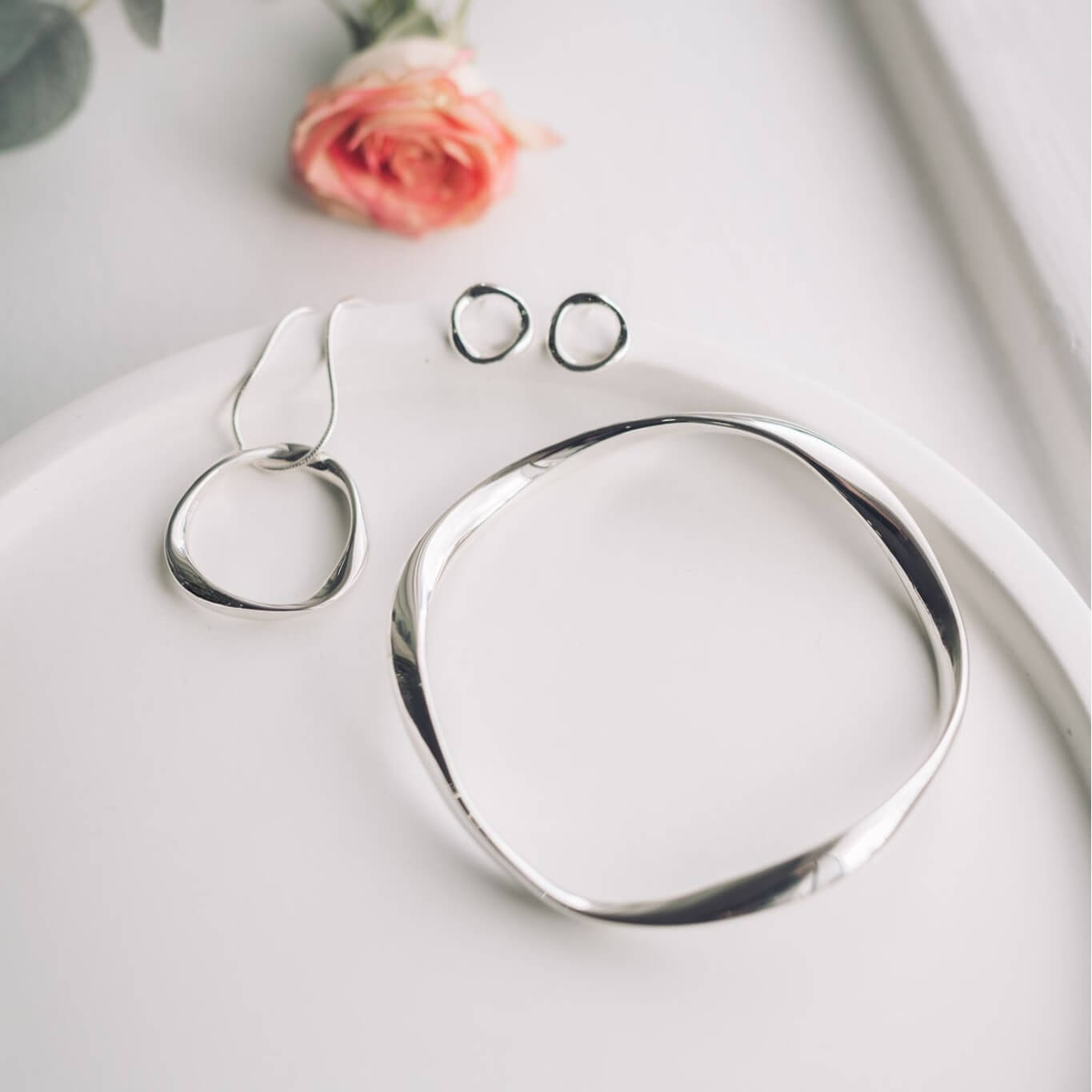
Every piece we make begins as solid 925 sterling silver or 9ct gold, sourced from Birmingham's Jewellery Quarter, and is made entirely by hand. Nothing is cast from a mould and nothing is plated.
This is exactly why we are able to offer free resizing, complimentary repolishing at any time and lifetime repairs on everything we sell. We have built our jewellery and our aftercare around the expectation that a piece bought from us today should still be entirely wearable in fifty years.
Browse our collection of solid silver and gold jewellery, handmade in our Warwickshire workshop and built to last a lifetime.
If you have a piece that needs repairing, resizing or polishing our team is always happy to help, regardless of how long ago it was purchased.